August 7, 2026
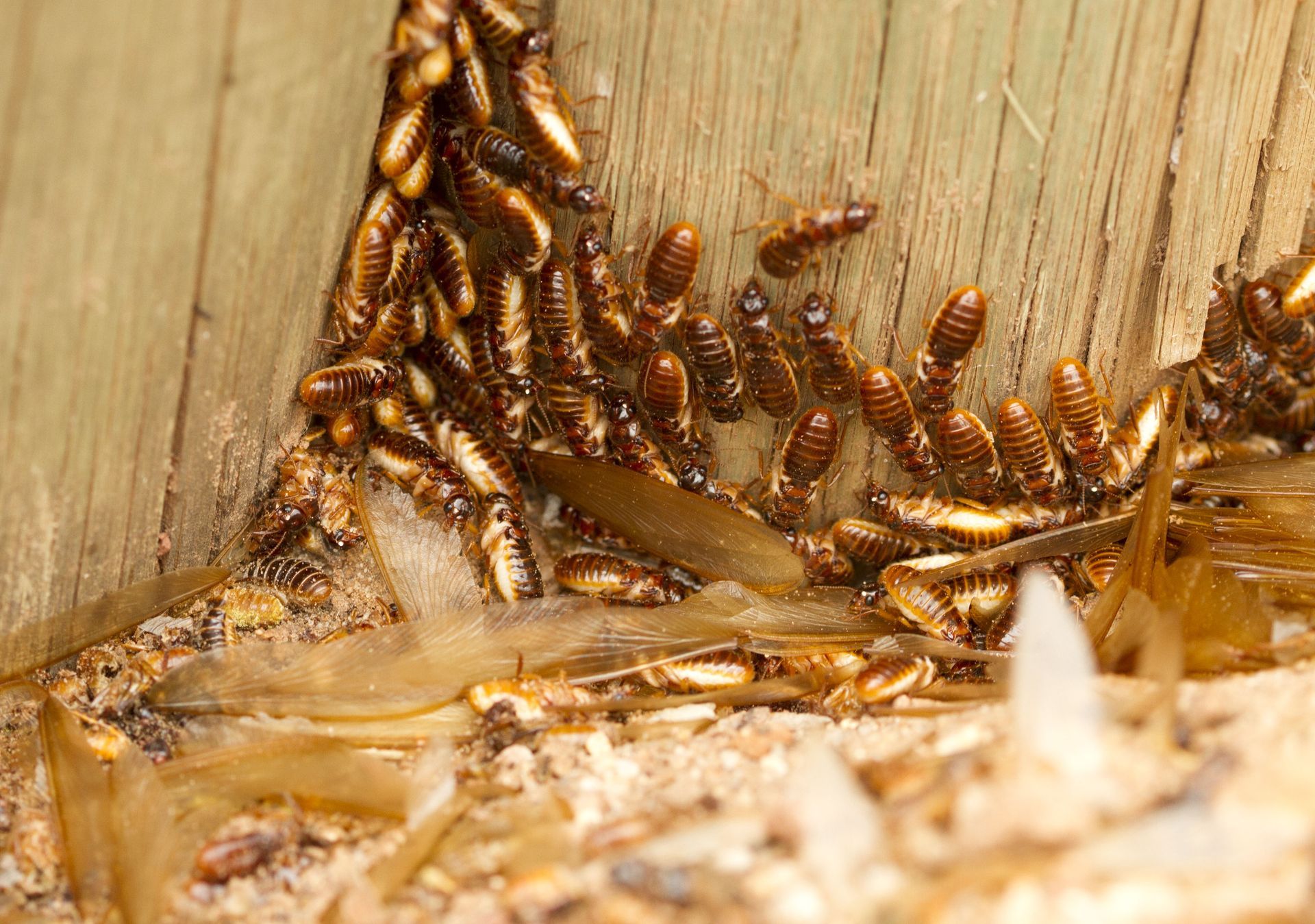
Termites are incredibly destructive pests that cost billions in structural damage annually. As wood-dependent creatures, their presence poses a significant threat to both residential and commercial properties. Taking a localized approach to termite removal is essential given the behavior variability among these species. Relying on local termite removals is a strategic solution to this pervasive problem. Working alongside knowledgeable local specialists who understand regional infestation patterns ensures that your building receives prompt, targeted, and highly effective protection.
Subterranean termites build underground colonies and access wood through the soil. Due to their concealed nature, infestations often go unnoticed until severe damage occurs. According to the National Wildlife Federation, several dozen species of termites are found throughout the United States, making targeted management a complex issue that requires local termite removals.
Identifying Common Invasive Species
Unlike subterranean species, drywood termites do not require soil contact and directly inhabit the wood they consume. This makes them adept at invading furniture, walls, and attics without being detected. Once established, drywood termites compromise structural integrity silently, so addressing them swiftly with local termite removals is critical.
Known for their aggressiveness, Formosan termites are one of the most formidable species. Distinguished by massive colonies, they chew through structures at alarming rates. Quick identification and specialized local termite removals are crucial to stop these destructive invaders before extensive property damage occurs.
Recognizing Environmental Habitat Factors
Dampwood termites thrive in humid, moist environments and infest decaying wood, requiring a constant moisture source to survive. While they contribute to nutrient recycling in nature, their presence in human structures indicates poor drainage or ventilation issues. Resolving these moisture problems alongside professional local termite removals helps keep properties protected.
Each species brings distinct environmental implications, both beneficial and detrimental. While termites assist with soil aeration in natural settings, their structural damage leads to severe economic losses. Balancing ecological factors with property protection requires reliable local termite removals tailored to specific regional conditions.
Leveraging Regional Knowledge and Experience
Regional professionals possess an intimate understanding of the species prevalent in their specific geographic area. This specialized knowledge is vital for accurately identifying pest types and predicting behavior patterns. Understanding local conditions allows specialists to deliver targeted interventions that yield faster, longer-lasting results.
Climate plays a major role in defining pest behavior within any given region. Temperature fluctuations and humidity levels directly influence seasonal activity and nesting habits. Awareness of these climate factors enables customized solutions that prevent infestations from expanding undetected.
Utilizing Sustainable and Safe Methods
Eco-friendly techniques offer practical alternatives to heavy chemical treatments. Regional providers often combine traditional approaches with modern technology to enhance overall treatment efficacy. This thoughtful synergy ensures that property protection remains effective, sustainable, and safe for surrounding environments.
Pest management is regulated strictly at state and local levels to ensure public safety. Localized operations stay fully compliant with regional legal frameworks and environmental standards. Adhering to these guidelines ensures safe, ethical, and highly effective treatments for every property owner.
Fostering Active Community Engagement
Educating property owners about prevention and early detection is vital for long-term success. Regional service providers actively raise awareness through informative guides and ongoing communication. Empowering property owners with knowledge helps reduce the overall spread and impact of infestations across entire neighborhoods.
Prompt interventions minimize structural damage and preserve building integrity. Local providers maintain flexible scheduling to address emerging problems rapidly before they escalate into massive structural failures. This accessibility provides essential protection for homeowners needing fast relief.
Delivering Customized Property Interventions
Tailoring treatment plans to address specific structural and environmental challenges produces superior results. Understanding distinct pest behaviors allows specialists to target active colonies directly without unnecessary disruption. Personalized strategy implementation consistently yields higher success rates in full property protection.
Choosing regional solutions often proves far more cost-effective for property owners. Efficient resource allocation and reduced logistical expenses allow service providers to deliver maximum value. Homeowners receive top-quality service without incurring excessive expenses or paying for unnecessary treatment processes.
Building Environmentally Responsible Practices
Utilizing local resources and sustainable materials helps reduce environmental impact while supporting regional ecosystems. Integrating responsible management practices ensures long-term property protection without harming surrounding plant and animal life. Sustainable approaches prioritize prevention through routine property evaluations.
Integrated pest management combines regular monitoring, physical barriers, and targeted treatments to maintain complete control. This comprehensive strategy mitigates ongoing property risks while protecting natural resources. Committing to sustainable management ensures safe, healthier living spaces for entire communities.
Examining Proven Success Stories
Integrated strategies combining cultural, physical, and targeted controls have successfully reduced pest populations in coastal regions. Tailoring management plans to specific climates ensures solutions remain effective over time. Regional adaptation remains one of the most reliable approaches to complete pest control.
Physical and chemical barriers create reliable shields between structures and invading pest colonies. Refined through extensive field application, these defensive barriers prevent entry and extend building lifespans. Utilizing specialized local termite removals ensures long-term protection against continuous ground-level threats.
Targeting Aggressive Infestations Directly
Targeting aggressive species requires surveillance techniques and swift action. Investing in specialized detection tools allows specialists to locate hidden nesting sites quickly. Combining public awareness with active local termite removals prevents aggressive colonies from spreading through residential neighborhoods.
Comprehensive inspection requirements ensure early identification of hidden pest activity in structural timbers. Utilizing thermal and eco-friendly elimination options removes active colonies with minimal chemical use. Modern inspection protocols provide property owners with complete clarity regarding their building's overall safety.
Overcoming Resource and Scale Challenges
Addressing widespread structural infestations demands careful planning and precise execution. Comprehensive interventions rely on experienced teams equipped with specialized tools to manage complex property layouts. Proper coordination ensures even severe infestations are completely eliminated.
Pests continually adapt to environmental changes, requiring ongoing updates to control methodologies. Field specialists remain informed on scientific research to counter shifting pest behaviors effectively. Staying ahead of these biological adaptations guarantees persistent, long-term control for home and business owners.
Integrating Advanced Pest Control Technologies
Balancing modern technology with time-tested control methods optimizes overall service quality. Advanced monitoring tools, digital sensors, and remote detection devices enhance treatment precision. Combining technological innovation with practical field experience ensures superior protection of your property.
Continuous training and professional development keep specialists updated on the latest industry standards. Investing in ongoing education ensures technicians apply cutting-edge methodologies safely and effectively. Well-trained professionals provide consistent, high-quality results across all types of structures.
Securing Long-Term Property Protection
Government standards and safety policies help set high benchmarks across the pest management industry. Working within established regulatory guidelines guarantees safe, reliable service delivery for every client. Strong industry standards protect both public health and property values.
Expanding community involvement strengthens neighborhood-wide prevention efforts. Active participation and early reporting allow service providers to address pest activity before widespread damage occurs. Collaborative vigilance ensures long-lasting defense against destructive wood-destroying organisms.
Unchecked pest infestations can quietly compromise the structural integrity of your home, leading to thousands of dollars in hidden damage over time. By addressing active colonies early and identifying environmental risk factors around your foundation, experienced local specialists stop pest activity before it spreads. Selecting reliable, regional pest management services guarantees customized care tailored to your exact property needs. Comprehensive evaluations, targeted treatments, and ongoing preventive care keep structures safe year-round. Protect your property investment today by scheduling an evaluation with Scientific Pest Management.