October 6, 2026
Termites can remain hidden inside walls, beneath flooring, around foundations, and within wooden structural components for extended periods before homeowners notice obvious evidence of an infestation. Because colonies can continue feeding and expanding out of sight, delaying treatment may allow damage to progress. Professional termite removal services provide a structured approach to identifying activity, determining where termites are entering or feeding, and selecting appropriate control methods. By addressing both visible evidence and less obvious areas of concern, professional treatment can help homeowners protect their property and reduce the likelihood that an established termite problem will continue unchecked.
1. Identifying Hidden Termite Activity
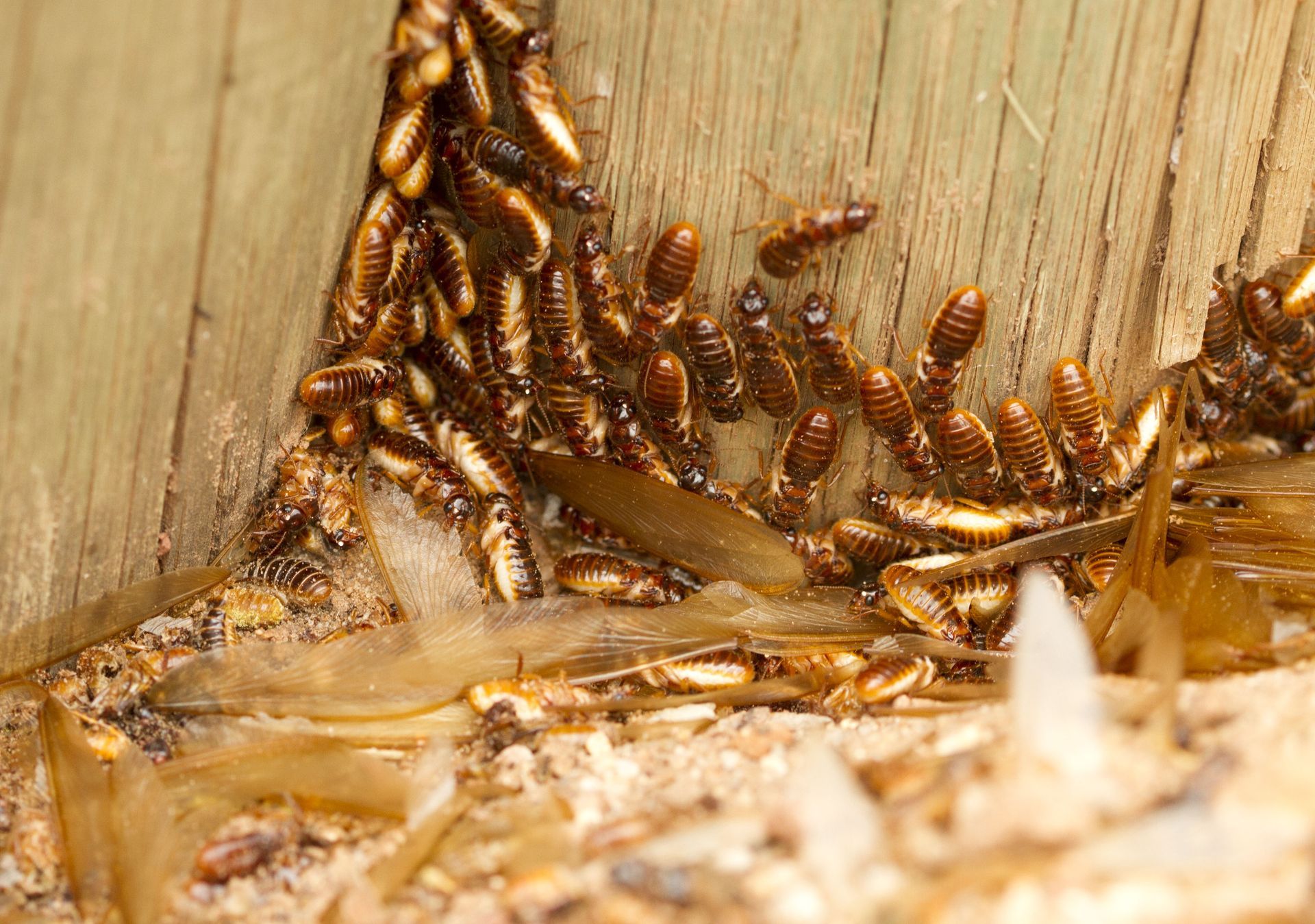
Termite infestations are not always easy to recognize because much of their activity occurs in concealed locations. Homeowners may notice discarded wings, mud tubes, damaged wood, small openings, or areas that sound hollow when tapped, but these signs may represent only a portion of the problem. Professionals understand where different types of termites are likely to travel, feed, and establish colonies, allowing them to inspect areas that homeowners might otherwise overlook.
Professional termite removal services begin by evaluating the property for evidence of current activity and conditions that may encourage termites. An inspection can help determine where termites are present, how widespread the problem appears to be, and which areas may require treatment. Identifying the extent of an infestation is important because treating only an obviously damaged location may leave other active areas untouched. A thorough evaluation creates a clearer foundation for developing an appropriate control strategy.
2. Targeting Established Termite Colonies
Removing individual termites does little to address a larger colony that may contain many more insects. Termites work together within organized colonies, with different members responsible for feeding, reproduction, protection, and other functions. Effective control therefore requires an approach that considers termite behavior rather than simply treating insects that happen to become visible. Professional methods may be designed to affect termites as they travel, feed, or interact with other colony members.
According to the National Wildlife Federation, termite queens may have lifespans exceeding two decades. This long lifespan helps explain why established termite colonies can remain a concern for extended periods when they are not properly addressed. Termite removal services that focus on colony-level activity can provide a more comprehensive response than simply removing visible pests. Addressing the larger source of the infestation can help reduce continued feeding activity and limit the ability of established termites to keep damaging structural materials.
3. Selecting Appropriate Treatment Methods
Different termite infestations may require different approaches depending on the termite species, property design, infestation location, and extent of activity. Treatment options can include baiting systems, liquid applications, targeted treatments, or combinations of methods. Professionals can evaluate the circumstances before determining which approach is appropriate rather than applying the same treatment to every property. Selecting a method based on actual conditions can make termite control more focused and practical.
Professional treatment also allows technicians to consider areas where termites may be entering the structure and how the property itself affects treatment. Foundations, crawl spaces, basements, attached structures, landscaping, moisture conditions, and access points can all influence how termite activity develops. By considering these details, professionals can develop a treatment plan that addresses the specific property rather than relying on generalized pest-control measures that may not reach the areas where termites are most active.
4. Limiting Continued Structural Damage
Termites feed on cellulose-containing materials, which means wooden framing and other building materials can become vulnerable when an infestation is allowed to persist. Damage may develop gradually, making it possible for termites to remain active for a significant period before homeowners recognize a problem. As feeding continues, affected materials can become weakened, potentially increasing the amount of repair work required after the infestation is controlled.
Prompt termite removal services can help interrupt ongoing activity before termites have additional time to feed on vulnerable materials. Although pest treatment cannot reverse damage that has already occurred, controlling the infestation can help prevent termites from continuing to affect the same areas. Once activity has been addressed, homeowners can evaluate damaged materials and determine whether repairs are necessary. Acting sooner may help keep a manageable termite issue from developing into a more extensive property concern.
5. Monitoring Properties After Initial Treatment
Termite control does not always end immediately after the first treatment. Ongoing monitoring can be important because termites may remain active in surrounding soil or areas near the property. Technicians may return to inspect monitoring devices, look for new evidence of activity, or evaluate how well the treatment is working. Continued observation provides an opportunity to identify changes before they develop into another significant infestation.
Some termite removal services incorporate follow-up inspections or monitoring as part of a broader control strategy. This ongoing attention can be particularly valuable for properties with previous termite activity or environmental conditions that may continue attracting termites. Regular monitoring allows professionals to respond when new signs appear instead of waiting until obvious damage becomes visible again. Homeowners can also use these visits to learn which conditions around their property may deserve continued attention.
6. Correcting Conditions That Encourage Termites
Treatment can address an active infestation, but certain property conditions may continue making a home attractive to termites. Excess moisture, wood contacting soil, stored lumber near the structure, drainage problems, and damaged building materials can create favorable environments. During an inspection, professionals may identify these conditions and explain how they relate to termite activity. Correcting them can become an important part of a broader pest-management strategy.
Homeowners may be able to reduce risk by improving drainage, repairing leaks, keeping wood and cellulose materials away from foundations, and addressing areas where soil contacts vulnerable wooden components. These steps do not replace professional termite treatment when an active infestation is present, but they can complement it. Combining treatment with practical property maintenance helps address both the existing termite problem and some of the environmental conditions that may contribute to future activity.
7. Protecting the Property Over the Long Term
Termite management is ultimately about more than eliminating the insects that are visible today. Because colonies can remain active for long periods and new termites may eventually approach a property, homeowners benefit from thinking about long-term protection. Routine inspections, monitoring, moisture management, and attention to structural conditions can make it easier to identify future activity before extensive damage develops.
Professional termite removal services can give homeowners access to trained technicians who understand termite behavior, warning signs, treatment methods, and prevention strategies. Rather than relying on temporary measures or waiting for visible damage to become severe, homeowners can take a more proactive approach to protecting wooden structural components and other vulnerable materials. Professional guidance can also help homeowners understand when follow-up inspections or additional treatment may be appropriate based on the property's history and conditions.
Long-lived termite colonies can create persistent problems when activity is allowed to continue unnoticed, making early identification and professional treatment important parts of protecting a home. Experienced professionals can inspect concealed areas, identify evidence of infestation, target colony activity, select appropriate treatment methods, monitor the property, and point out conditions that may encourage future problems. Termite removal services can also provide homeowners with a more organized approach to long-term termite management instead of relying on temporary solutions that address only visible insects. If you have noticed termite activity or want professional help protecting your property from an infestation, contact Scientific Pest Management today.